
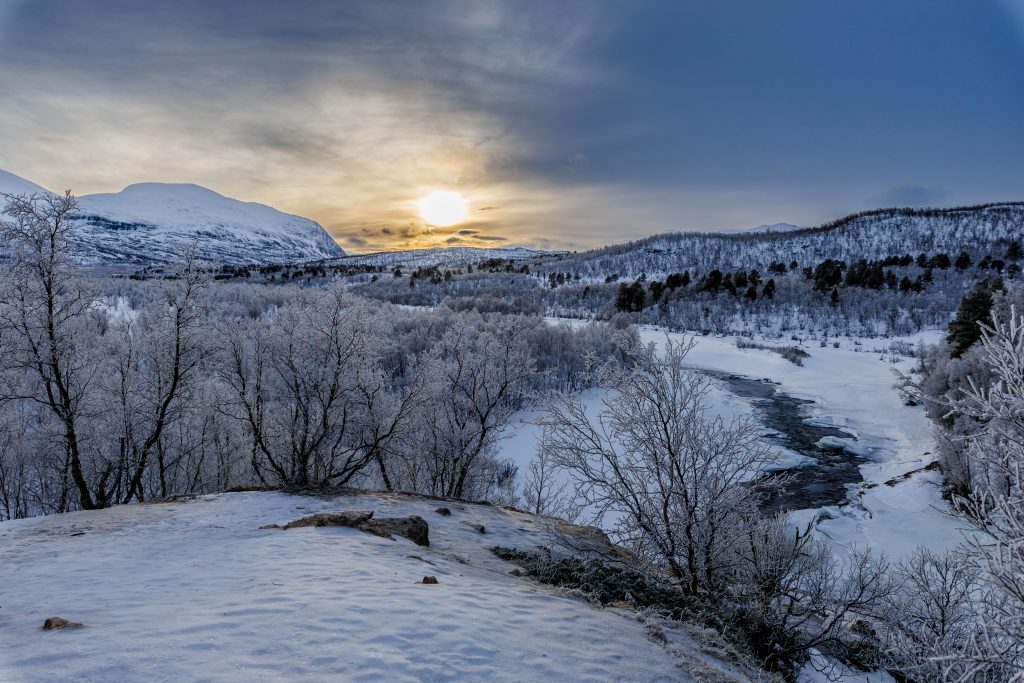
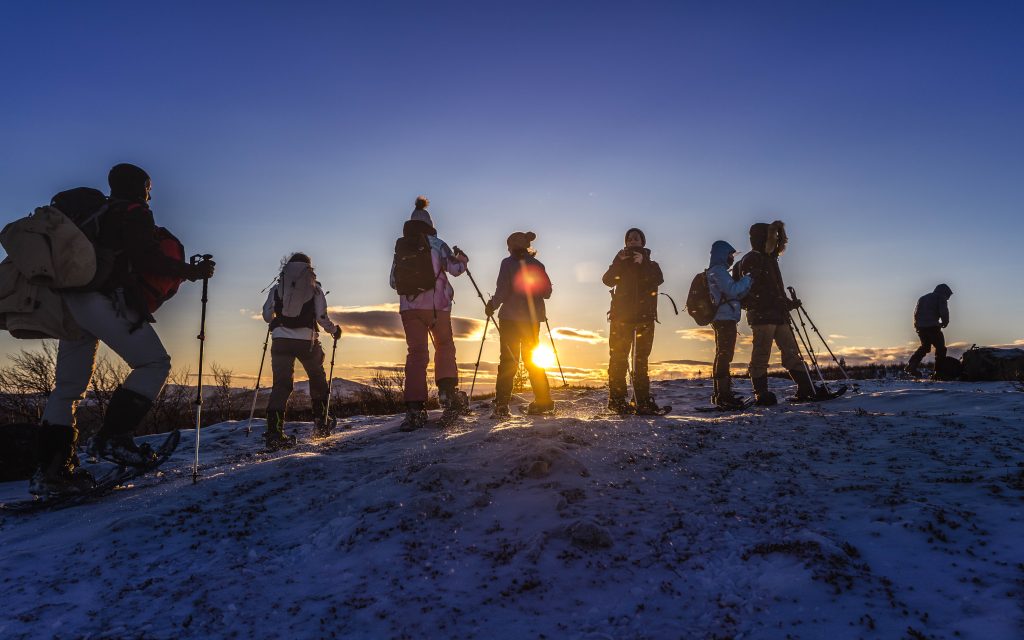
Swedish Lapland has a magic all its own. For a week, we’ll explore it on snowshoes, among snow-covered forests, frozen lakes and mountains. Each day, we’ll head out with a light daypack and return to warm accommodation in the evening. If the sky is clear, we’ll go looking for the Northern Lights.
Our first outings will be around Kiruna, mainly in boreal forest among snow-laden birch, spruce and pine trees, frozen wetlands and countless lakes (Sweden has around 100,000). We’ll choose routes according to conditions, sometimes leaving the tracks to make our way through untouched snow.
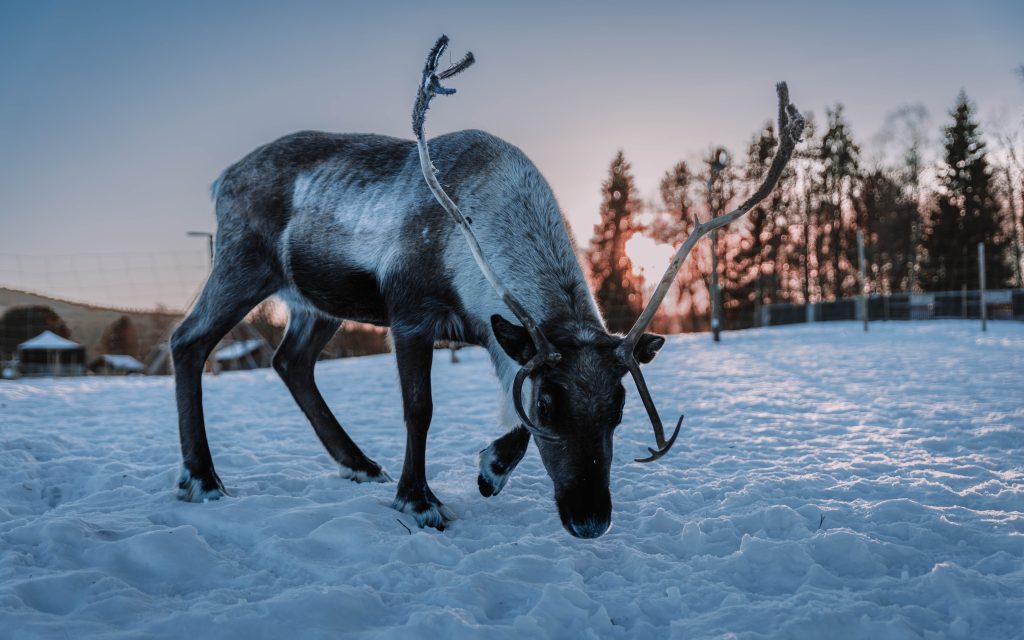
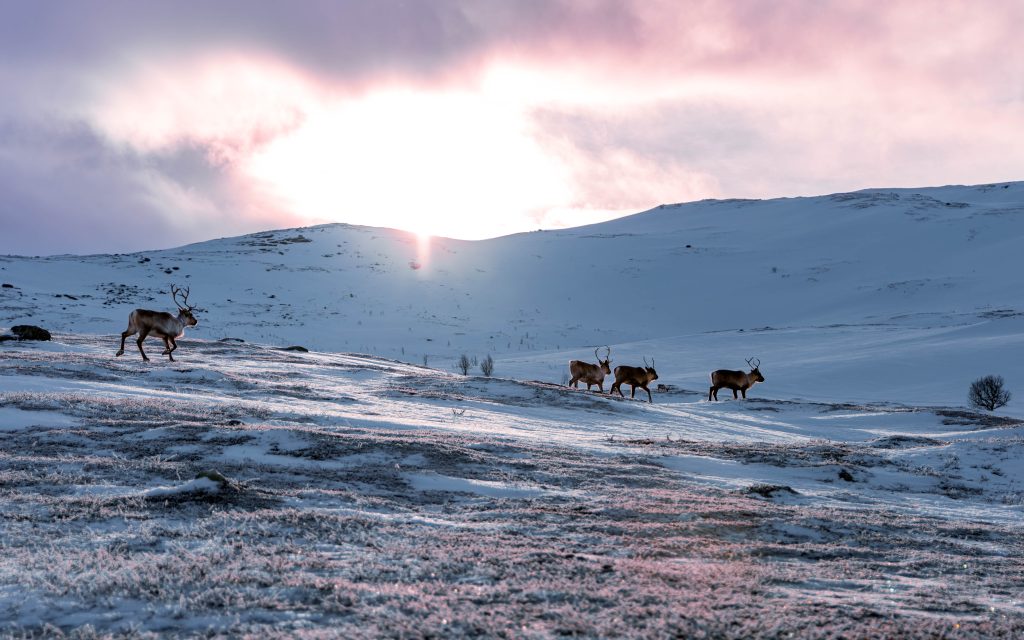
We’ll also visit a small Sámi camp near Jukkasjärvi, where we can meet reindeer and learn about herding, seasonal migrations and the animal’s place in Sámi culture. It’s an opportunity to talk about Sápmi, the homeland of the Sámi people, stretching across northern Scandinavia.
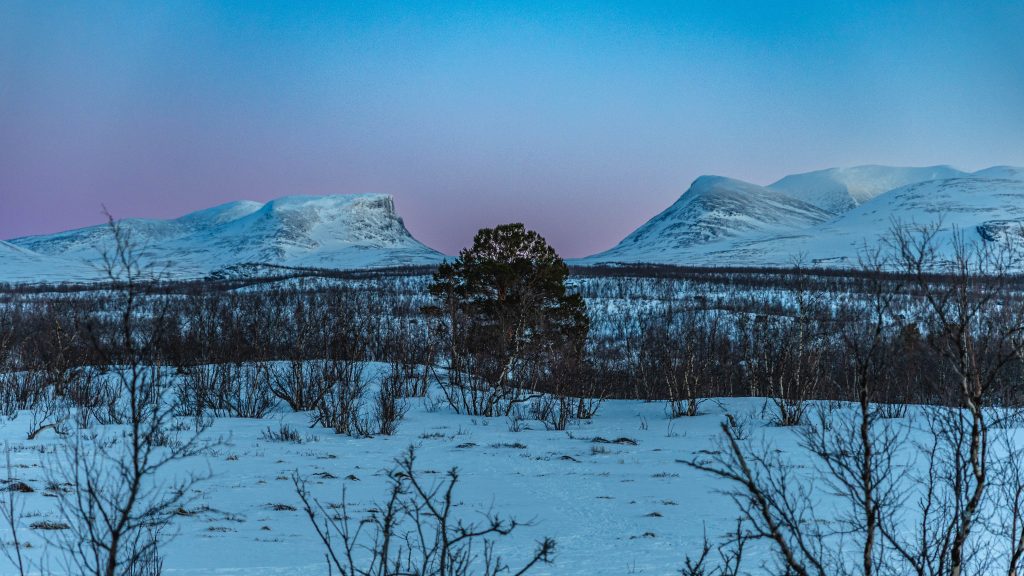
In the second half of the trip, we’ll head to the Abisko area. Travelling west along a spectacular road, we’ll see the forests gradually give way to broad valleys and the frozen expanse of Torneträsk. Everything changes: high mountains surround us, giving our outings a new scale. We’ll also explore the alpine tundra above the tree line.
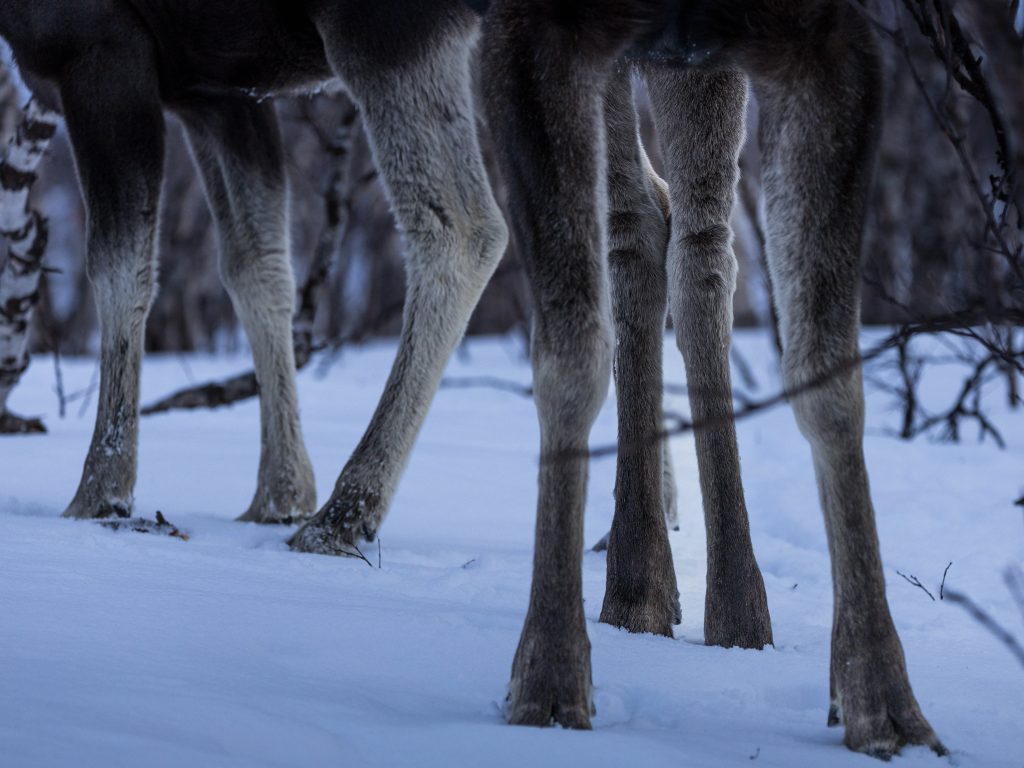
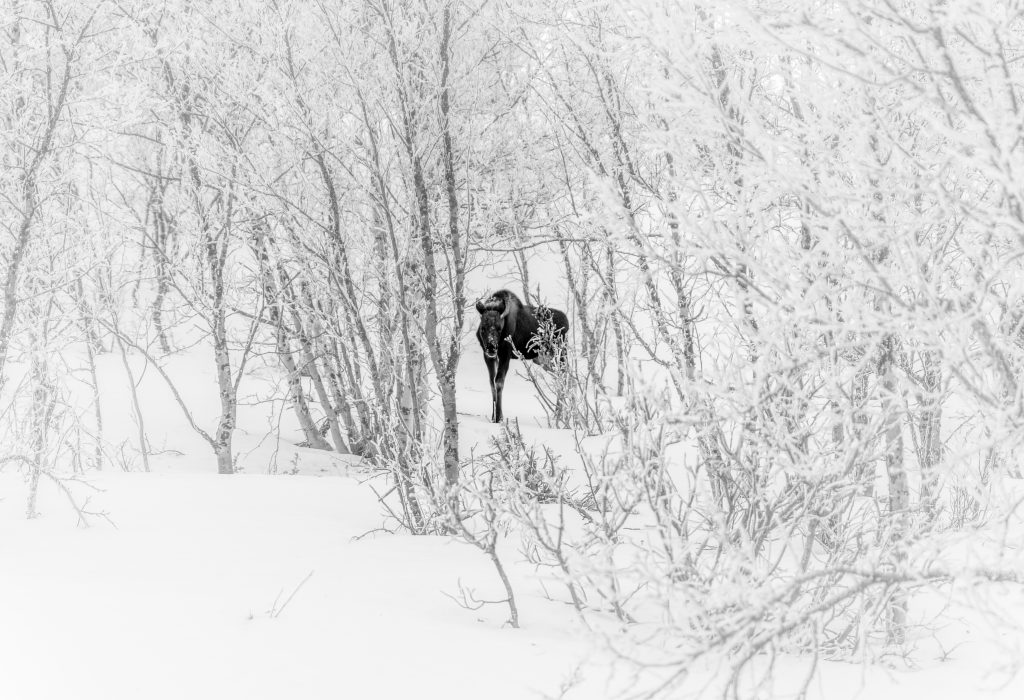
This week offers a chance to discover several landscapes of Lapland without carrying a heavy pack or sleeping outdoors, while staying away from mass tourism. The terrain, snow and conditions will vary from day to day, but the hikes are suitable for anyone used to regular walking. No previous snowshoeing experience is needed. We may spot reindeer, moose, Arctic hares, rough-legged buzzards or ptarmigan.
In the evenings, we’ll prepare meals together and keep an eye on the sky. The region lies beneath the auroral oval and offers excellent conditions for seeing the Northern Lights. A photography option may also be available for anyone wishing to work on winter landscapes and aurora photography.
Throughout the week, I’ll share what I know about the Northern Lights, wildlife, glacial landscapes, Sámi culture and life in the North. I’ve guided this trip many times and love its balance: a genuine introduction to the Arctic winter, with warm accommodation, varied hikes and plenty of time to observe, learn and enjoy each place.
What comes back to me first is the shared emotion of watching an unreal aurora, or encountering wild moose and leaving the whole group speechless. And, of course, the light.
Day-by-day itinerary
From boreal forest to alpine tundra, I adapt each hike to the weather, snow conditions and the group’s pace. Every evening, we keep an eye out for the northern lights and head back outside as soon as the sky clears.
Day 1
Fika in Kiruna
I’ll meet you at 9 am at Kiruna railway station. We’ll start over a good coffee, take some time to get to know each other and find our bearings. In the afternoon, we’ll head out for a short hike before settling into our accommodation, where a rustic sauna awaits. After dinner, if the sky clears, we’ll go back outside to look for the northern lights.
Day 2
Snowshoeing through the boreal forest
With a small daypack, we’ll set off among snow-laden pines and spruces. The forest opens onto a frozen lake, and if the snow is right, we’ll leave the established tracks and make our own. In the evening, we’ll warm up in the sauna and keep an eye on the sky.
Day 3
Frozen lakes and rounded fells
We’ll choose a different hike to suit the day’s conditions. Around Kiruna, lakes and forests give way to tuntuuri, rounded hills that rise above the trees. Back at our accommodation, there’s time for one last visit to the rustic sauna before we head out to look for the northern lights.
Day 4
From Jukkasjärvi to Abisko and Lake Torneträsk
We’ll leave our accommodation near Kiruna and stop in Jukkasjärvi to visit a Sámi camp. We’ll meet reindeer and talk about herding, the movements of the herds and life in Sápmi today. Depending on the timing, we may linger over coffee or a meal by the fire.
Then we’ll take the road to Abisko. The landscape opens up: the forest thins, mountains come into view and the vast frozen Lake Torneträsk appears, its colours changing as we drive along. It’s not unusual to spot reindeer or moose along the way.
Once we’ve settled in, we’ll take a walk around Abisko, perhaps near the frozen canyon. Our accommodation has an electric sauna for warming up between outings to look for the northern lights, or after a Nordic-style roll in the snow.
Day 5
Snowshoeing across alpine tundra
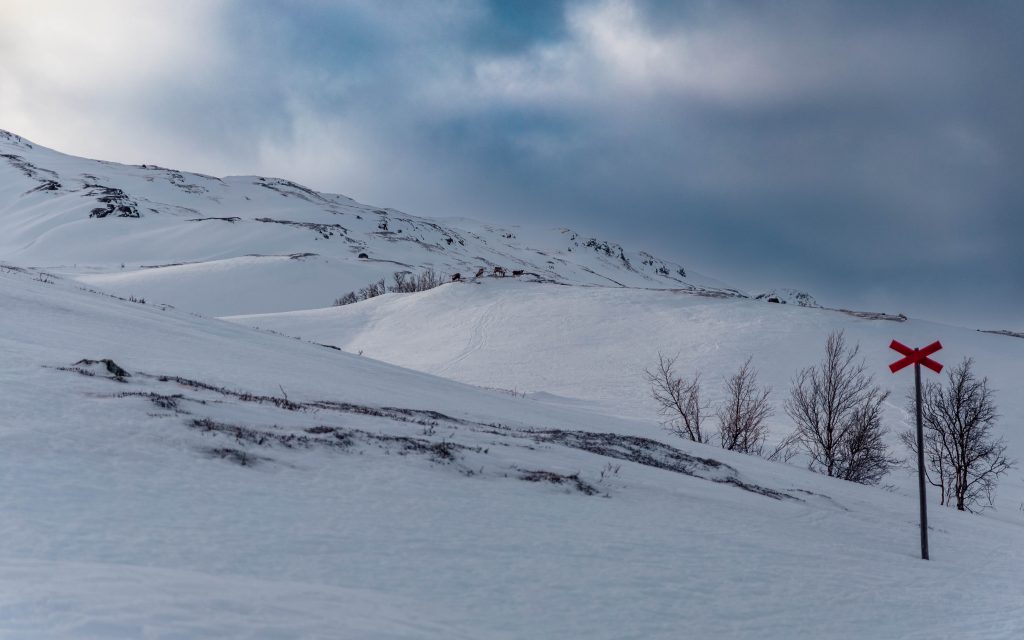
We’ll head out for our first longer hike in the Abisko and Björkliden area. Beyond the last birches, we’ll reach the alpine tundra. When the sky clears, we can take in the lake, the valleys and the mountains in a single sweep. After the forests around Kiruna, it feels like arriving in another Lapland. In the evening, we’ll have time for the sauna before heading back out to look for the northern lights.
Day 6
A different view of the mountains
We’ll choose another snowshoe route around Abisko or Björkliden, depending on the snow, wind and visibility. A different valley or mountainside gives us a fresh view of Torneträsk. With luck, during the week we might spot a northern hawk-owl, ptarmigan, a fox, reindeer or moose. In the evening, we’ll enjoy the sauna and head out one last time to look for the northern lights.
Day 7
One last look at Torneträsk
We’ll drive back to Kiruna in the morning. Travelling in the opposite direction reveals a different side of the mountains, and the morning light can give the lake an entirely different palette. We’ll say our goodbyes in Kiruna.
Dates & departures
Private group departures can be arranged on request. We’ll choose dates together based on your availability, local conditions and accommodation options.
Best time to go
Mid-December to late March
For a good balance of aurora viewing, daylight and snow.
1890€
A gentle introduction to Lapland, between mountains and forests
Swedish Lapland
Kiruna, in eastern Swedish Lapland, is surrounded by boreal forests, hills and countless frozen lakes.
Abisko, further west, is much more mountainous, with birch forests, alpine tundra and glacial valleys…
Fitness level: 2/5
A normal level of fitness is enough. Hikes usually last 5–7 hours and involve no particular technical difficulty.
No previous snowshoeing experience is needed.
Season
January to the end of March, for daylight, good snow conditions and the Northern Lights!
The experience
Discover the Arctic winter at an unhurried pace, walking, observing and learning, with warm accommodation and a welcoming atmosphere each evening.
Conditions
Temperatures from 0°C to -40°C.
Arctic weather can be changeable—and sometimes sublime.
Photos
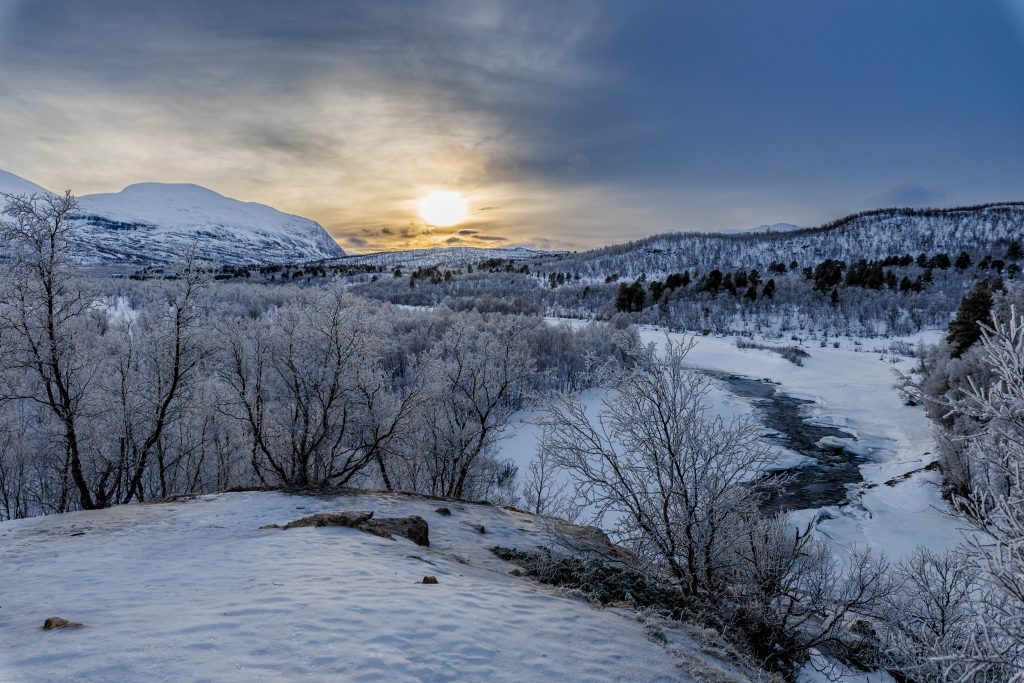
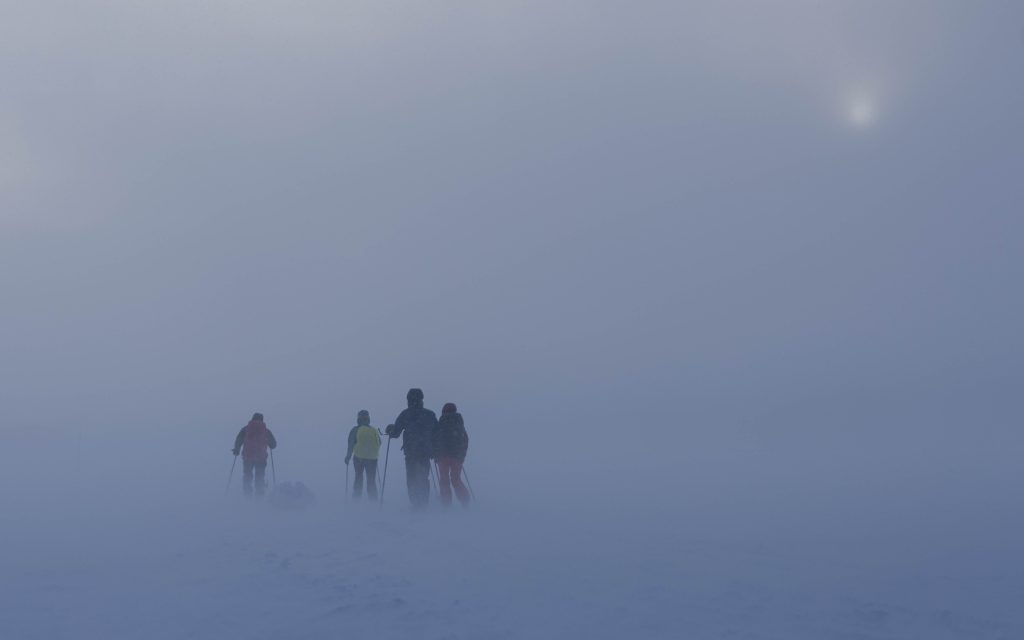
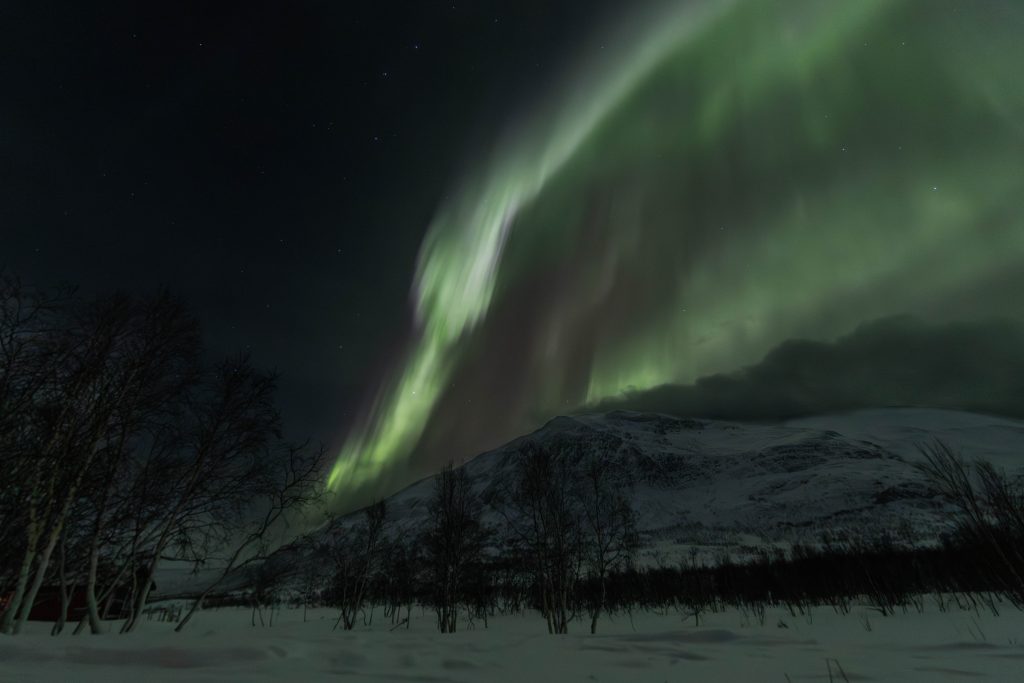
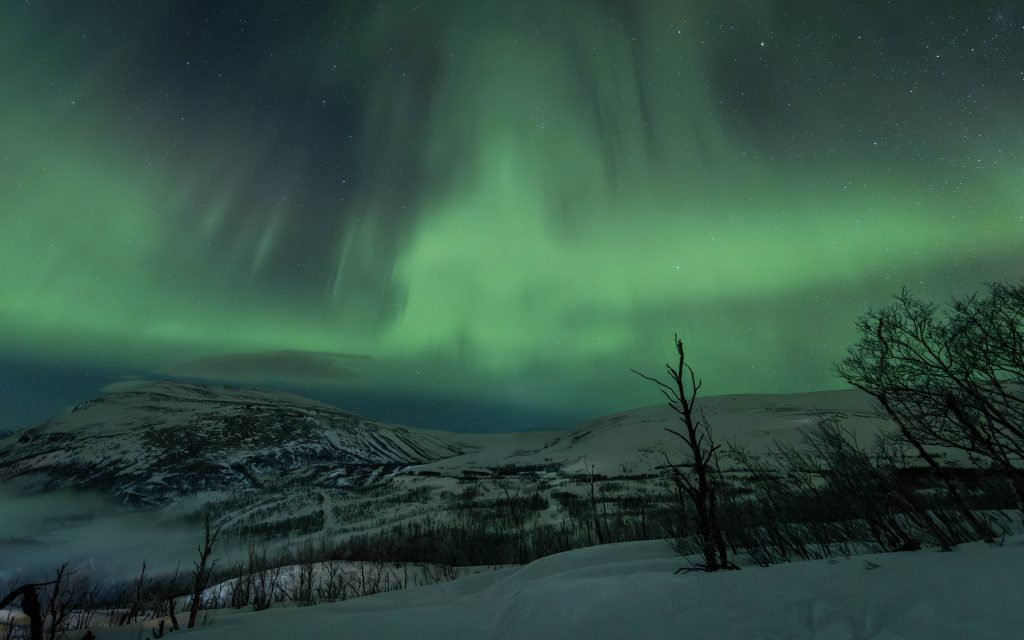
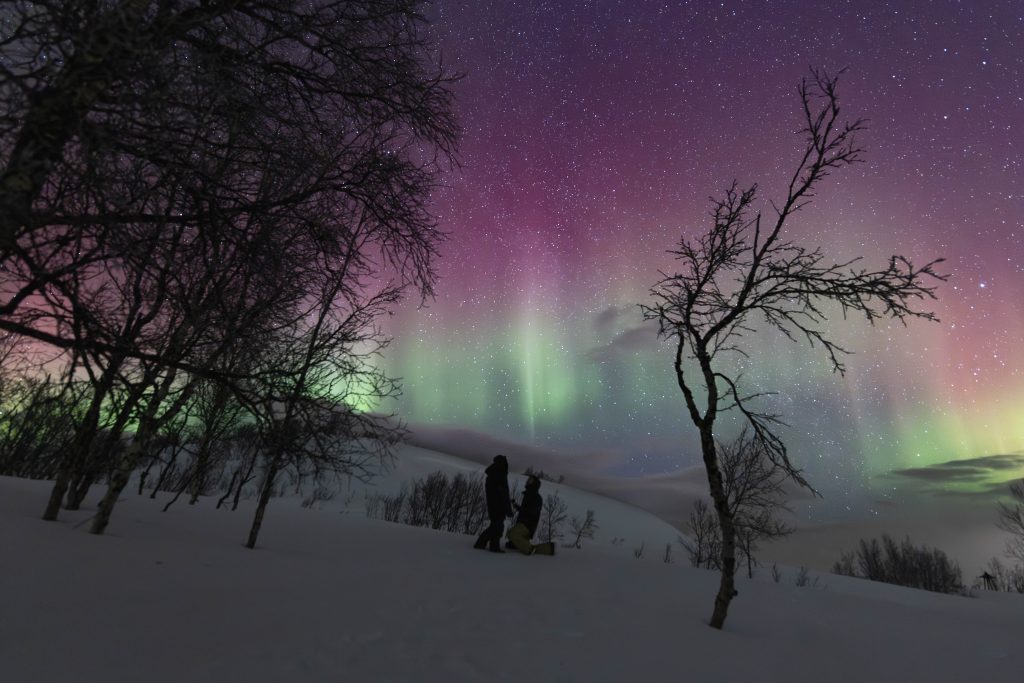
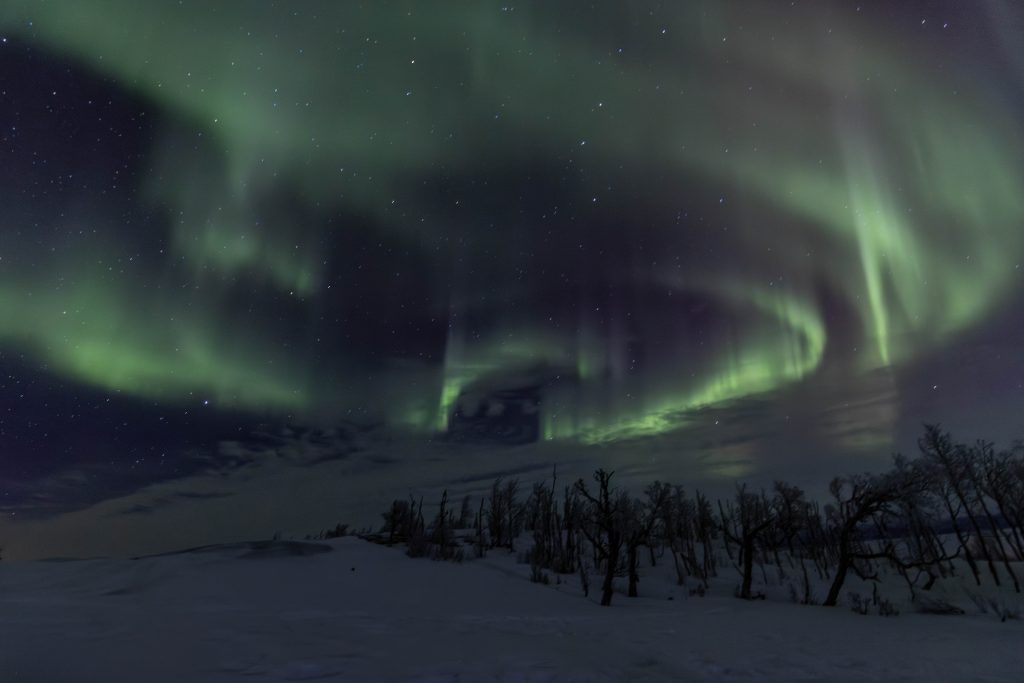
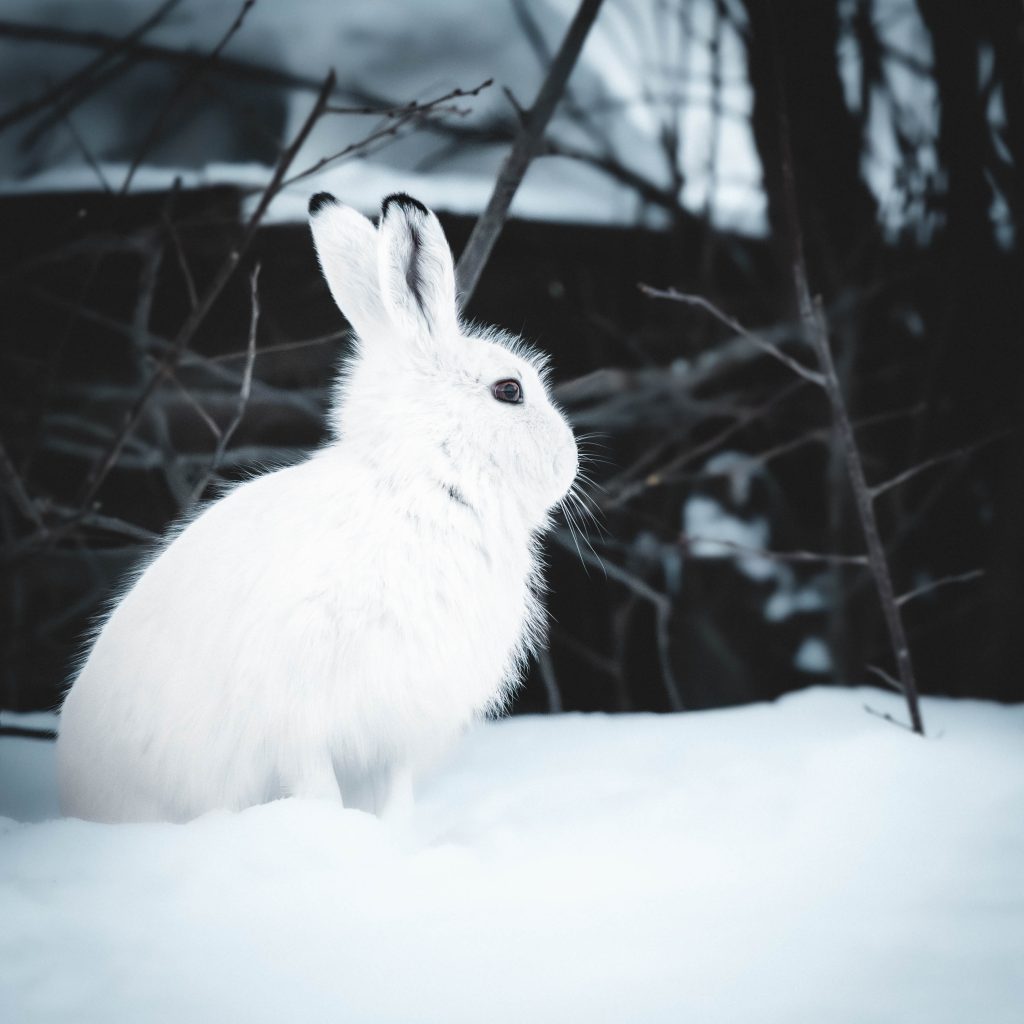
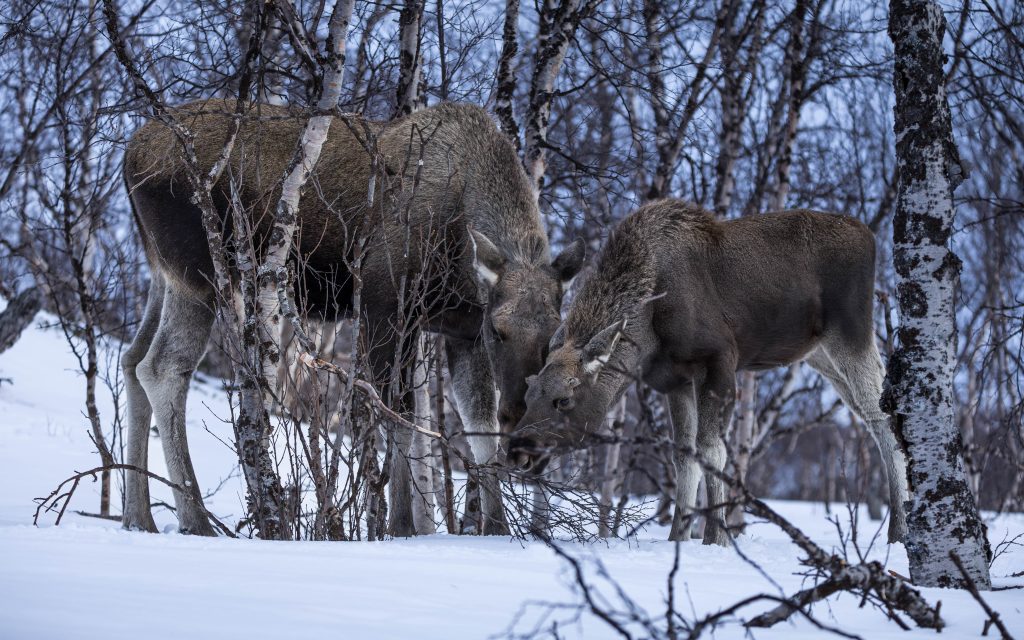
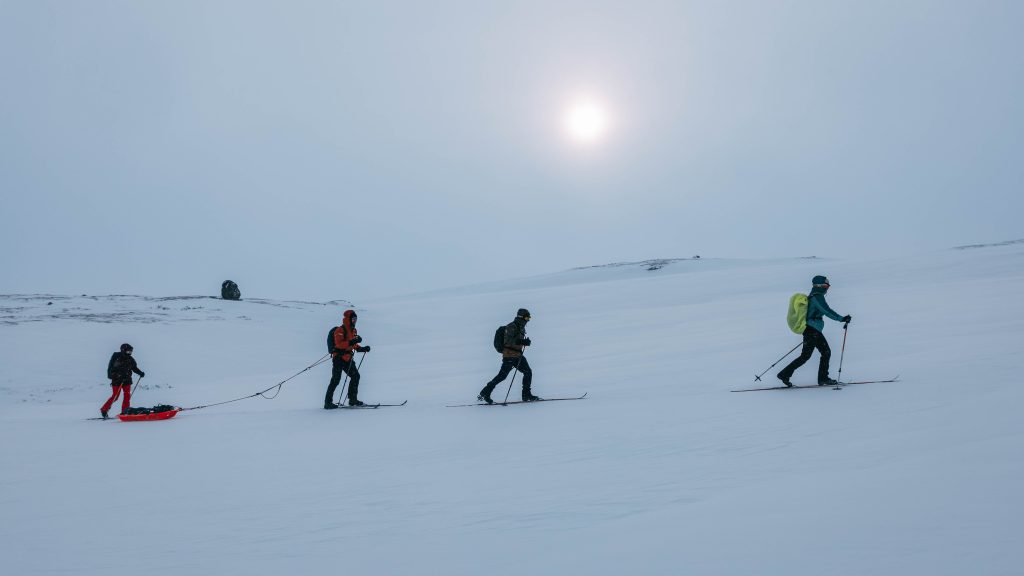
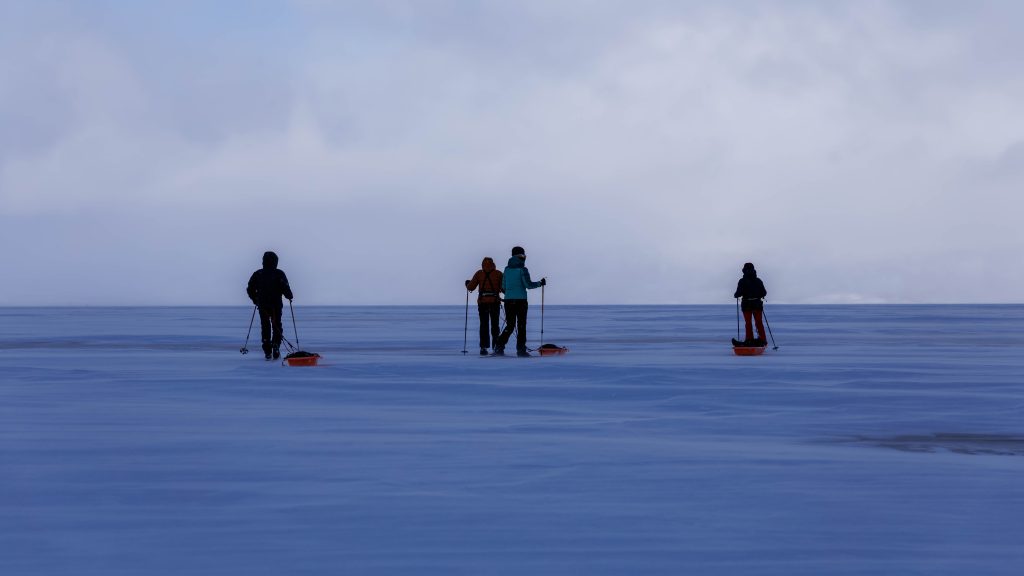
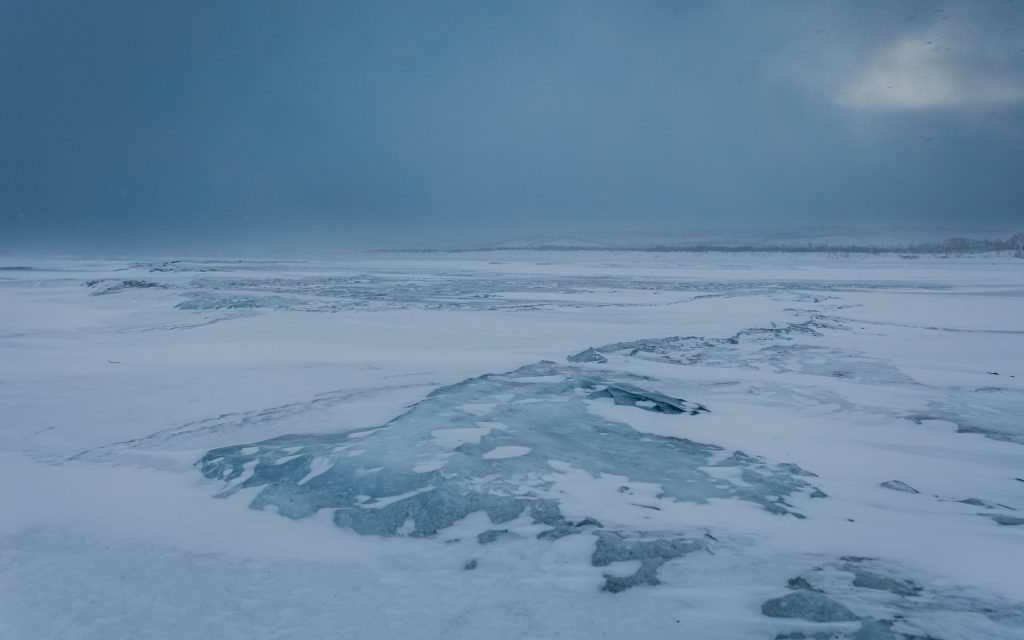
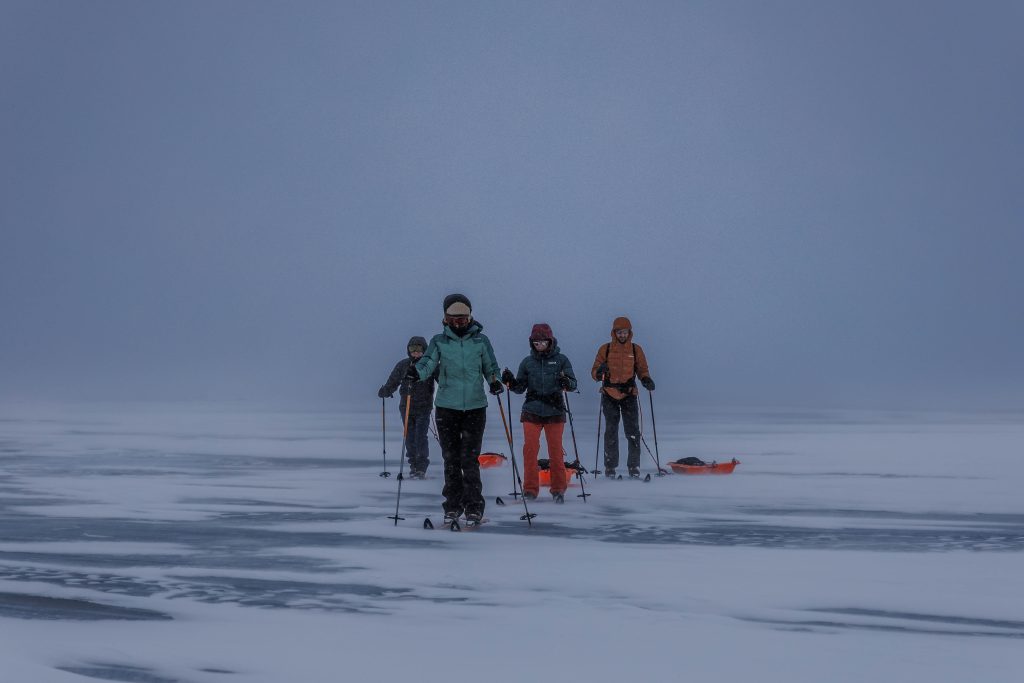
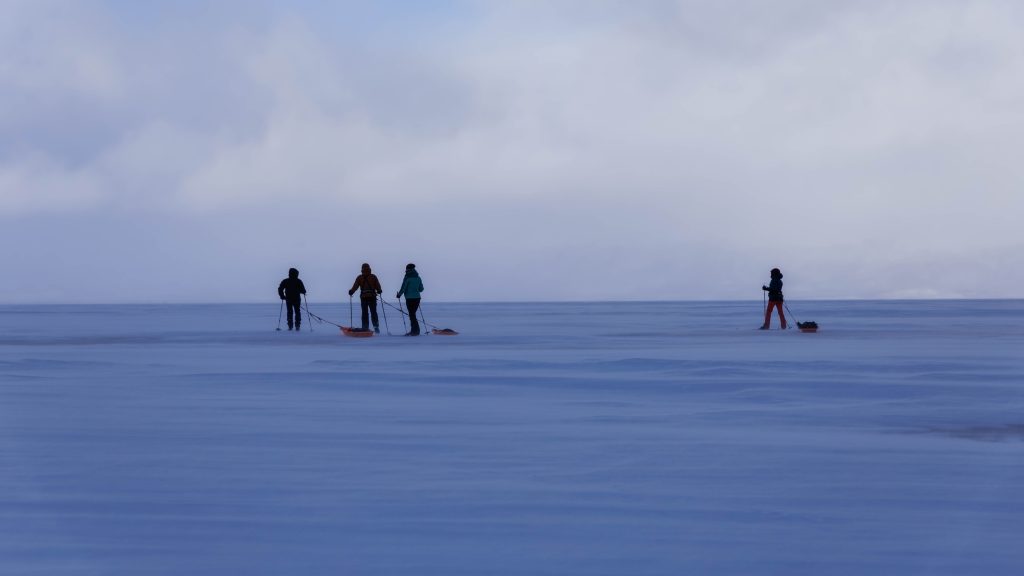
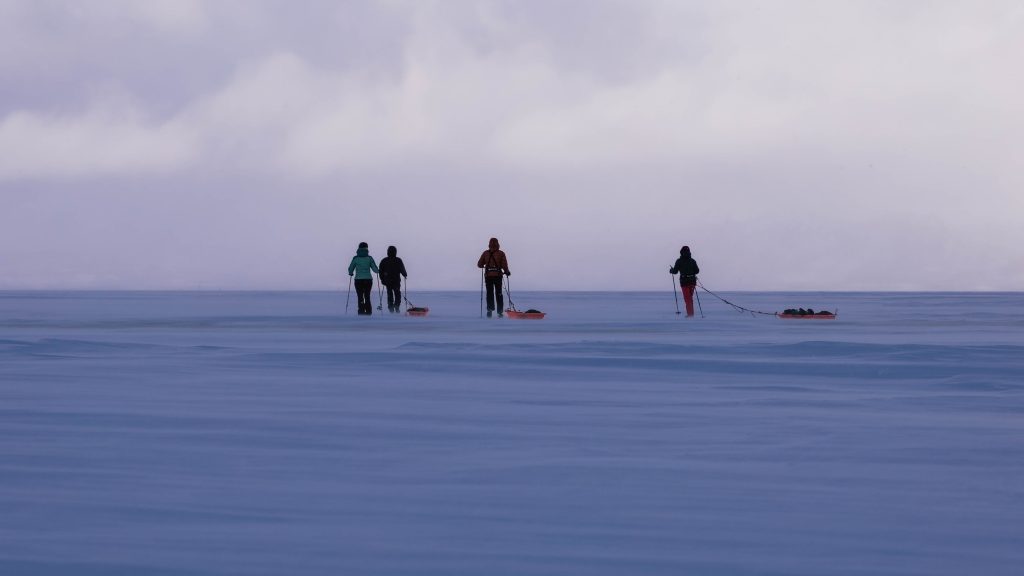
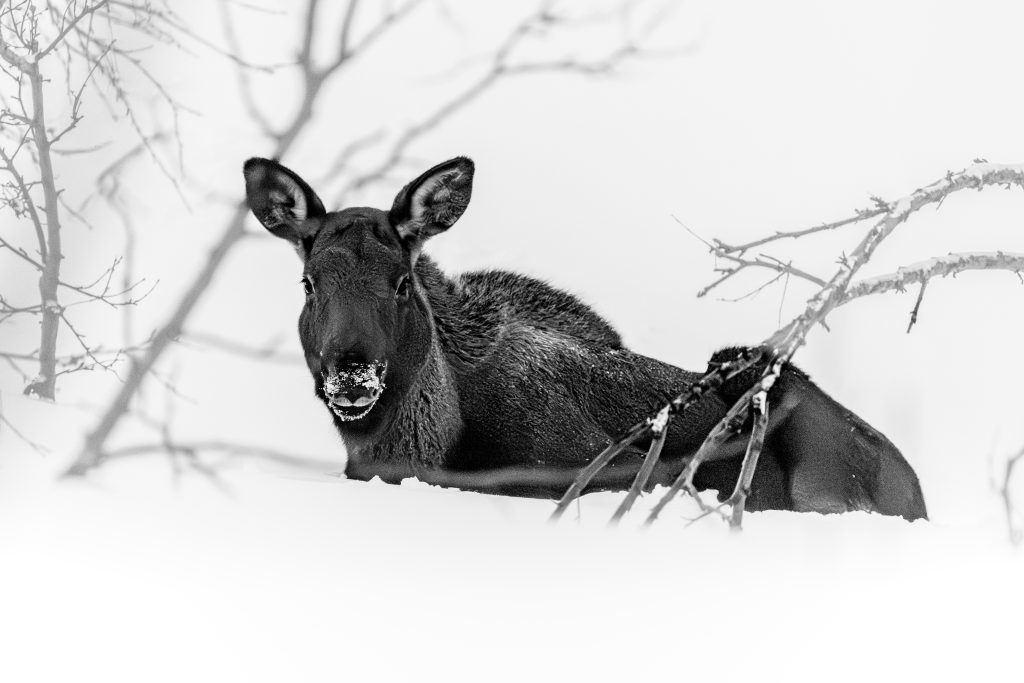
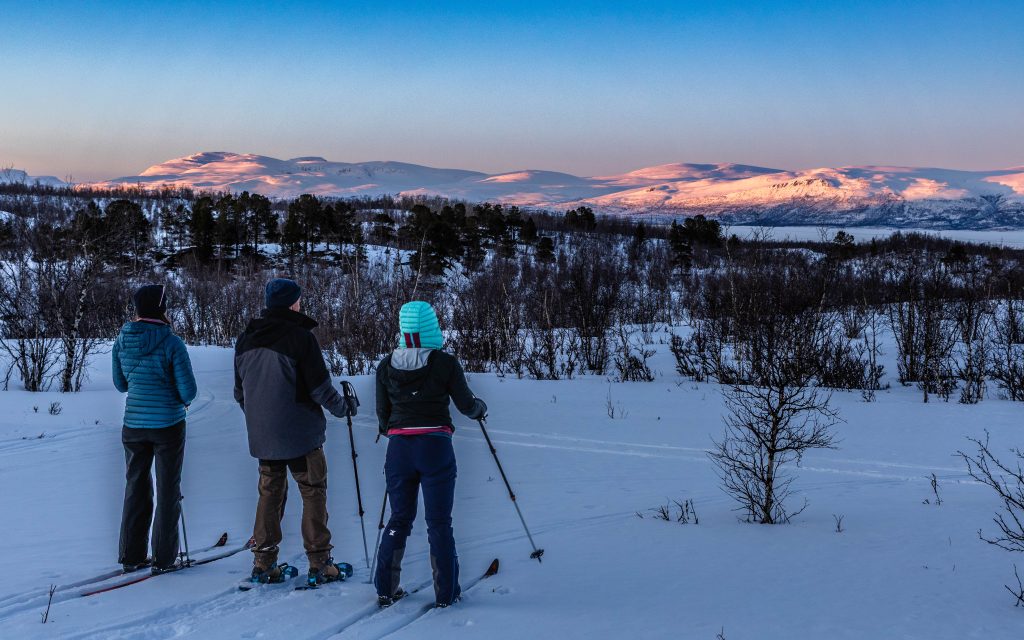
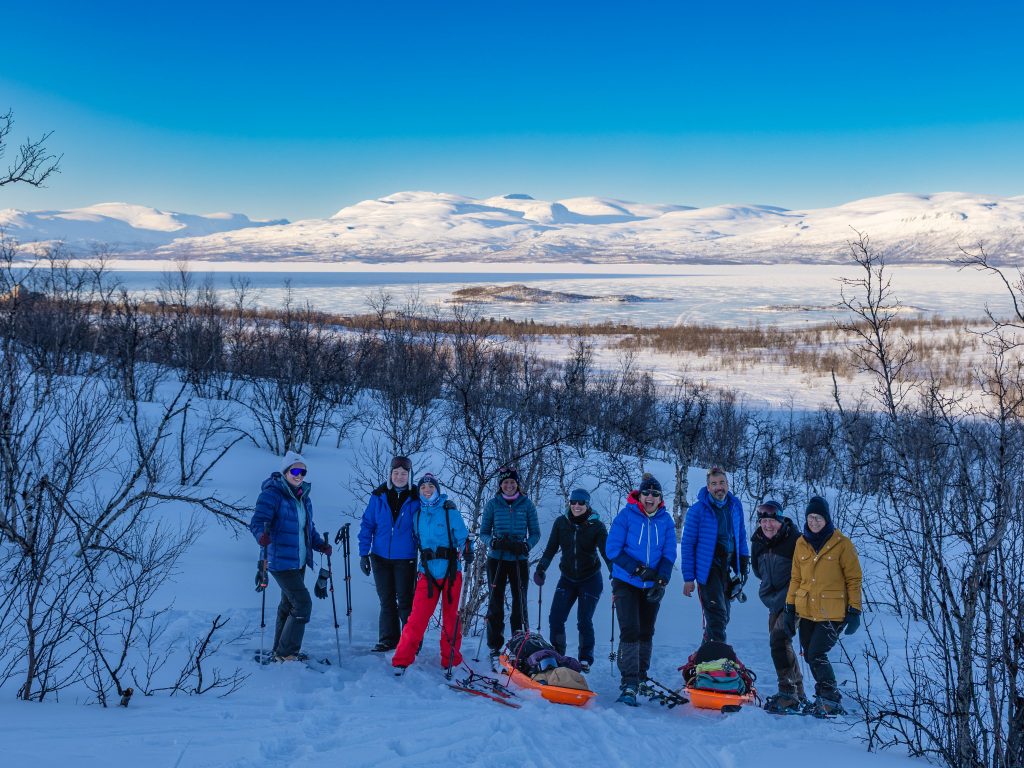
A few photos from previous trips.
For photographers looking to improve, a photography option is available. I’ll do my best to help you choose your shots, look after your equipment and capture unforgettable images.
Testimonials
J’ai eu la chance de partir avec Moufid pour une semaine in Swedish Lapland, ma première immersion en Arctique, au‑delà du cercle polaire. Une semaine hors du temps, rythmée par la Discoveries de la faune locale, des randonnées en raquettes et, bien sûr, la chasse aux aurores boréales. Moufid a été un guide exceptionnel.
Passionné, patient, toujours prêt à partager ses connaissances, il nous a appris mille choses sur la faune et la flore, la culture Sami, les enjeux du réchauffement climatique… Il nous a fait goûter la nourriture locale, découvrir des paysages à couper le souffle, et vivre des moments typiques comme le sauna au feu de bois. On se souviendra longtemps de la rencontre avec les élans, et évidemment de cette chasse aux aurores boréales qui a illuminé la fin du séjour : un vrai feu d’artifice dans le ciel.
Ce qui a rendu ce voyage encore plus unique, c’est la façon dont Moufid s’est adapté à nous, pour que l’on vive cette aventure pleinement, à notre rythme. Toujours présent pour discuter, rire, partager… Il a été un pilier de la réussite de cette semaine. Une expérience incroyable, intense, lumineuse, qui restera gravée dans nos mémoires.
J’ai eu le plaisir et la chance d’avoir fait un voyage en Swedish Lapland avec Moufid comme guide en Février 2025. Au delà de l’expérience mémorable avec les aurores boréales et les décors à couper le souffle, Moufid a su organiser un séjour aux petits oignons.
Il avait une organisation déjà faite mais il a su s’adapter aux volontés du groupe en changeant le programme même la veille pour le lendemain. Il a aussi su créer une ambiance détendue et très conviviale tout en restant professionnel, avec un esprit de groupe qui a été la bonne surprise du séjour!
Une expérience au cœur de la Laponie hors du commun avec un guide passionné et extrêmement bien informé sur le monde polaire, les animaux et les histoires vikings et la culture sami.
Sa grande force est sa capacité à adapter le programme en fonction du groupe et des envies de chacun, pour rendre l’expérience personnalisée. Les anecdotes sont passionnantes et intéressantes à partager à des moments où le groupe est plus disponible et réceptif.
Toutes les qualités sont réunies pour créer des expériences uniques et humaines.
Frequently asked questions
Feel free to get in touch if you have any questions!